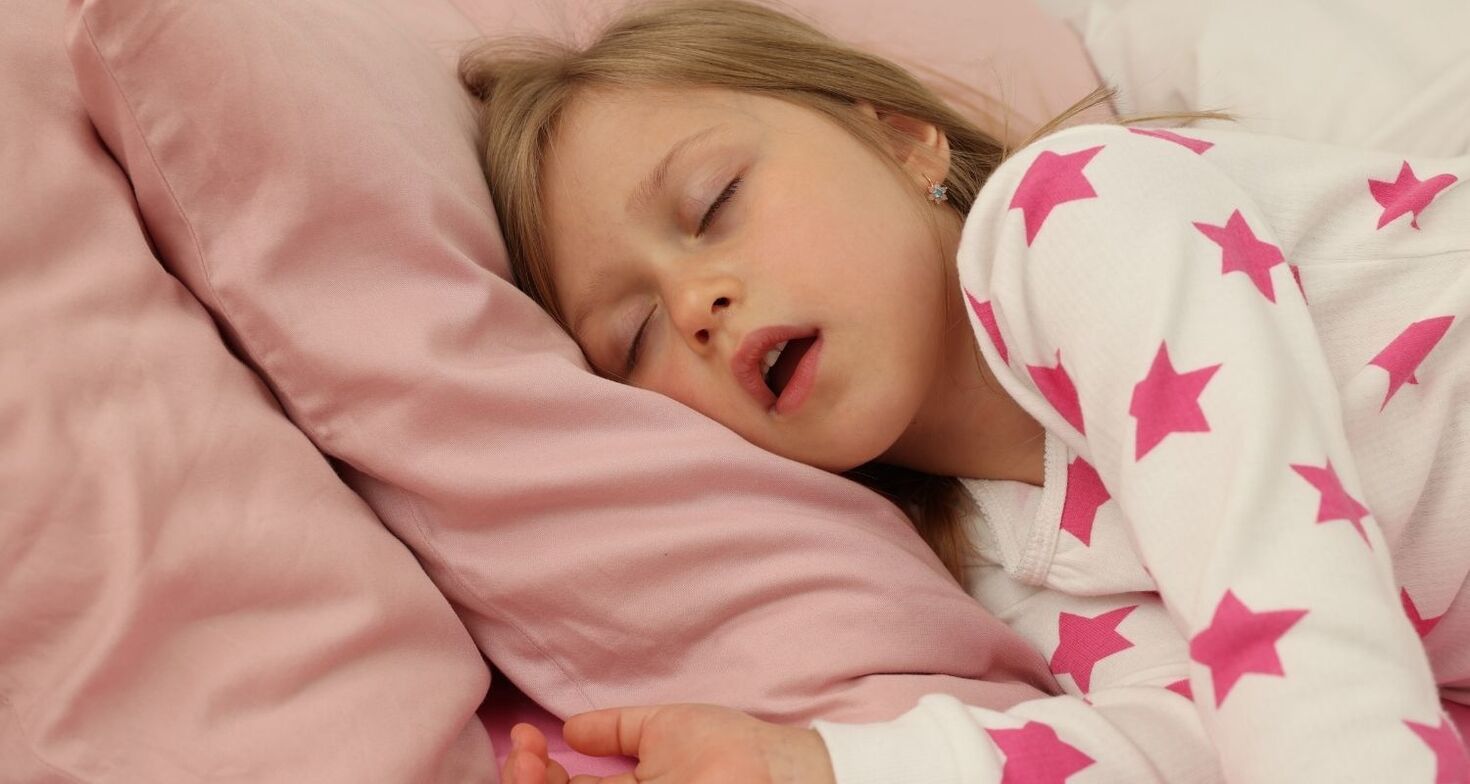
Snoring is often dismissed as a harmless nighttime nuisance, but for many people, it is a sign that the body is struggling to breathe efficiently during sleep. If you are searching for myofunctional therapy for snoring, you are likely looking for a solution that goes beyond temporary fixes and addresses the real cause of the problem. I work with children and adults who are ready to stop snoring naturally by improving how the muscles of the mouth, tongue, and throat function—day and night.
Myofunctional therapy is a gentle, drug-free approach that focuses on restoring healthy muscle patterns. When these muscles are strong, coordinated, and resting properly, breathing improves, sleep becomes deeper, and snoring often decreases or resolves altogether.
What Causes Snoring?
To understand how to stop snoring, it helps to first understand what causes snoring. Snoring happens when airflow is partially blocked during sleep, causing soft tissues in the throat to vibrate. This blockage is commonly related to muscle dysfunction rather than a structural problem alone.
Some of the most common contributors to snoring include:
-
Weak tongue and throat muscles
-
Poor tongue posture (especially a tongue that rests low or falls back)
-
Mouth breathing instead of nasal breathing
-
Improper lip seal
-
Narrow airways influenced by oral habits and jaw development
When the muscles of the head and neck relax too much during sleep, they can collapse inward, narrowing the airway. This is why snoring is often linked to other symptoms such as teeth grinding, jaw soreness, restless sleep, and waking up feeling tired.
Is Snoring Bad for You?
People frequently ask, is snoring bad, or is it simply annoying? While occasional snoring may not be harmful, chronic snoring should not be ignored. Ongoing snoring can disrupt sleep quality, reduce oxygen intake, and affect overall health over time.
In children, snoring may interfere with growth, behavior, learning, and facial development. In adults, it is often associated with daytime fatigue, difficulty concentrating, headaches, and poor sleep quality. Snoring can also be a sign of sleep-disordered breathing, including obstructive sleep apnea.
The most common symptoms that bring people to me for relief are snoring, teeth grinding, and mouth breathing. These issues are often connected by one underlying factor: muscle dysfunction.
How Myofunctional Therapy for Snoring Works
Myofunctional therapy for snoring is often described as physical therapy for the muscles of the head and neck. Treatment focuses on retraining the tongue, lips, cheeks, and throat so they function the way they were designed to.
I work with each person using a personalized treatment plan that is designed to:
-
Strengthen and tone the muscles that collapse in the throat during sleep
-
Improve tongue posture and resting position
-
Encourage nasal breathing
-
Create better muscle coordination for breathing and swallowing
Your tongue and lips can serve as natural retainers for life when they are resting and functioning properly. When these muscles do their job, they help support a stable airway, which can significantly reduce snoring. This is why myofunctional therapy exercises for snoring are so effective—they address the root cause rather than masking symptoms.
A Natural Alternative to Common Snoring Treatments
Many people explore different snoring treatments before finding something that truly works. CPAP machines and night guards are commonly prescribed, but many patients find them uncomfortable or difficult to tolerate. These options can feel like temporary band-aids because they do not correct the underlying muscle dysfunction that causes the airway to collapse.
Myofunctional therapy for snoring offers a different path. Instead of forcing the airway open, it trains the body to keep the airway open on its own. This painless, drug-free approach is appealing to people who want a more natural form of care.
Patients often report improvements such as:
-
Reduced snoring volume and frequency
-
Less teeth grinding and jaw tension
-
Improved sleep quality
-
Feeling more rested during the day
Why Myofunctional Therapy Is Especially Beneficial for Children
Myofunctional therapy is available for children as young as four years old through adulthood. It is particularly beneficial for growing children because their jaws and facial structures are still developing.
The most common age range I treat is six to ten years old. At this stage, changing oral habits can have a direct impact on facial development. Proper tongue posture and nasal breathing help create space for straighter teeth and a wider, healthier airway, setting children up for healthy habits for a lifetime. Parents who prefer a holistic or natural approach often find this option very attractive.
One powerful example is a young patient who was scheduled for a tonsillectomy due to severe sleep issues. Her parents were hesitant to pursue surgery and chose myofunctional therapy instead. After one year of consistent therapy, her sleep study showed a reduction from 37 apnea events per night to only 2. This meant she was breathing better, getting more oxygen to her brain, and sleeping more soundly. Just as importantly, she was able to avoid surgery, and her facial development shifted in a healthy direction—creating room for a wide open airway and straight, beautiful teeth.
Can Myofunctional Therapy Help With Sleep Apnea?
When discussing snoring and airway health, questions about sleep apnea often arise. Myofunctional therapy has been shown in the scientific literature to help with mild to moderate obstructive sleep apnea. However, anyone with suspected or severe sleep apnea should consult a sleep physician and consider a sleep study.
My patients typically find relief based on their subjective improvements, such as reduced snoring, decreased jaw soreness, and less daytime tiredness. Myofunctional therapy can be an effective part of a broader care plan, especially when combined with guidance from a medical provider when needed.
How to Stop Snoring by Treating the Root Cause
If you are wondering how to stop snoring without relying on devices or medication, the key is addressing muscle dysfunction. Snoring therapy that focuses on strengthening and retraining the muscles of the airway can create lasting change.
Through consistent practice and awareness, myofunctional therapy exercises for snoring help the body relearn proper breathing and resting patterns. Over time, the airway becomes more stable during sleep, reducing the vibrations that cause snoring.
Is Myofunctional Therapy Right for You?
You may benefit from snoring therapy if you or your child experience:
-
Chronic snoring
-
Mouth breathing
-
Teeth grinding
-
Jaw soreness or tightness
-
Restless sleep or daytime fatigue
Myofunctional therapy is safe, natural, and non-invasive. It is something everyone should know about before turning to more invasive or surgical options.
A Gentle, Effective Way to Stop Snoring Naturally
Snoring does not have to be something you simply live with. Myofunctional therapy for snoring offers a natural way to improve breathing by addressing the root cause—muscle dysfunction. By strengthening and retraining the muscles of the mouth and throat, many people experience better sleep, better breathing, and better overall health.
If you are ready to stop snoring and want a solution that supports your body’s natural function, myofunctional therapy may be the next step toward quieter nights and more restful sleep.
.jpg)
.jpg)
.jpg)
