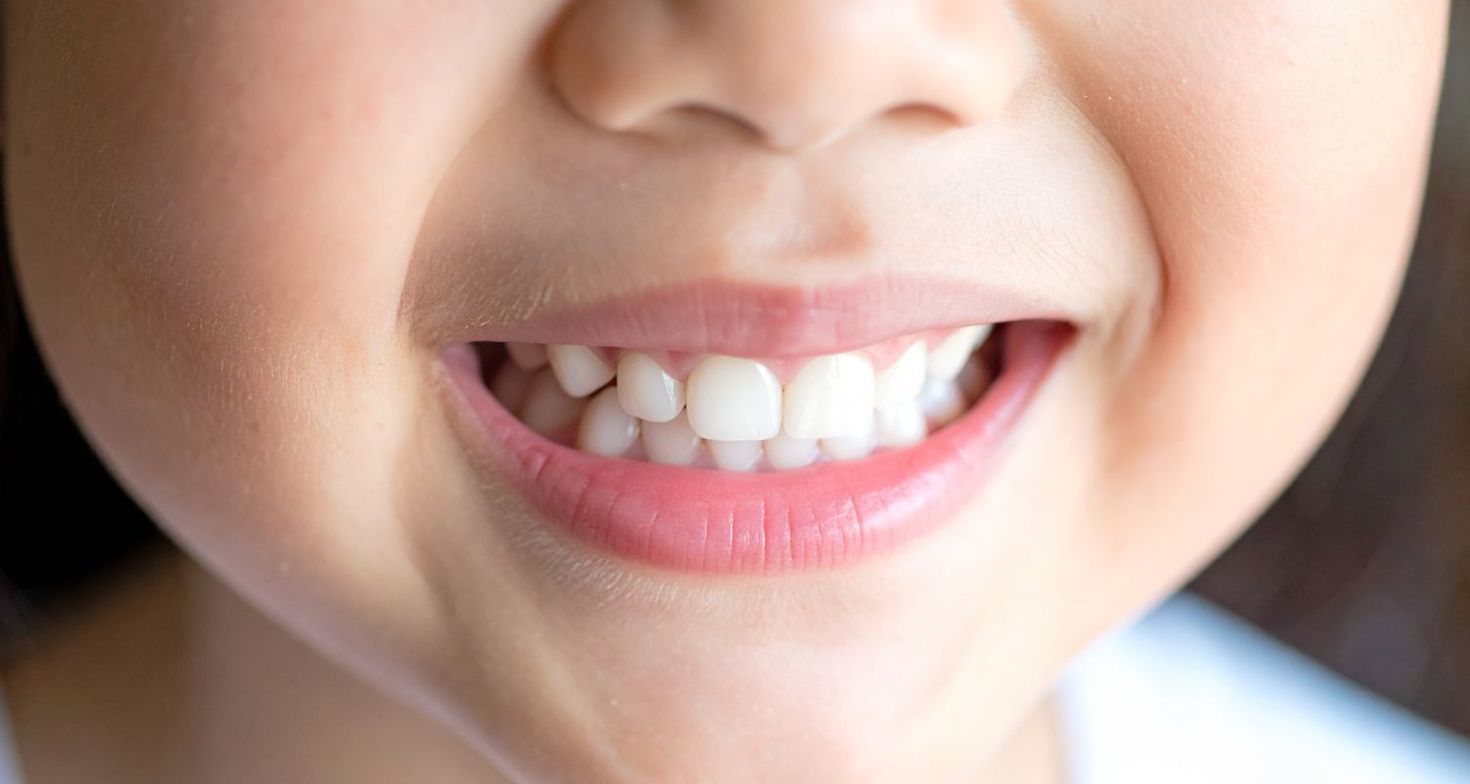
If you've noticed your child grinding their teeth at night, you're not alone. Many parents in Wichita and across Kansas wake up to the unsettling sound of their child's teeth scraping together, wondering how to stop kids from grinding teeth before it causes lasting damage. While teeth grinding in children might seem like just another childhood phase, it often signals deeper issues with oral function that myofunctional therapy can effectively address.
At Myofunctional Therapy of Kansas, Dalanna has helped countless families discover that the solution to childhood bruxism isn't just about managing symptoms with a mouth guard—it's about correcting the underlying causes through targeted exercises and habit retraining.
Understanding Why Kids Grind Their Teeth
Before anyone can understand how to stop kids from grinding teeth, it's important to explore what's actually happening. Kids grinding teeth, also known as pediatric bruxism, affects a significant number of children at some point during childhood. While some parents assume it's related to stress or teething, the reality is often more complex.
Children typically grind their teeth because of oral muscle dysfunction, improper tongue positioning, or airway issues. When a child's tongue doesn't rest in the proper position against the roof of the mouth, it creates a chain reaction of compensatory behaviors. The jaw muscles may tense up, the airway may become partially obstructed during sleep, and grinding becomes the body's way of attempting to open the airway or find a comfortable resting position.
Children with breathing difficulties during sleep are much more likely to experience bruxism. This connection between breathing and grinding is where myofunctional therapy becomes particularly powerful.
The Real Consequences of Teeth Grinding in Children
Many parents wonder if a child grinding teeth is serious enough to require intervention. The answer depends on severity and duration, but the potential consequences shouldn't be ignored. Chronic grinding can wear down tooth enamel, increase sensitivity, cause jaw pain, disrupt sleep quality, and even affect facial development over time.
Beyond the dental concerns, children who grind their teeth often experience poor sleep quality, which impacts their behavior, learning, and overall development. They may wake up with headaches, complain of facial soreness, or show signs of fatigue during the day. Some children develop temporomandibular joint (TMJ) issues that can persist into adulthood if left unaddressed.
The good news is that addressing the root cause early through myofunctional therapy can prevent these long-term complications and help your child develop healthy oral habits that last a lifetime.
How Myofunctional Therapy Stops Kids from Grinding Teeth
Myofunctional therapy is a specialized program of exercises and techniques designed to retrain the muscles of the tongue, lips, and face to function properly. Unlike a night guard that simply protects teeth from damage, myofunctional therapy actually addresses why kids grind their teeth in the first place.
During therapy, children learn proper tongue positioning—resting the tongue gently against the roof of the mouth with lips closed and teeth slightly apart. This seemingly simple change has profound effects. When the tongue rests in the correct position, it naturally expands the palate, opens the airway, and reduces muscle tension throughout the jaw and face.
Dalanna also works on nasal breathing patterns, teaching children to breathe through their nose rather than their mouth. Mouth breathing is strongly associated with teeth grinding because it creates tension in the jaw muscles and can partially obstruct the airway. By establishing nasal breathing as the default, this removes one of the primary triggers for nighttime grinding.
The therapeutic exercises strengthen weak oral muscles and stretch tight ones, creating better balance and coordination. Children practice proper swallowing patterns, lip seal exercises, and tongue mobility drills that gradually retrain their entire oral system. Parents often report improvements in grinding within just a few weeks of consistent practice.
The Myofunctional Therapy Process
At Myofunctional Therapy of Kansas, Dalanna begins with a comprehensive assessment to understand your child's specific situation. This includes examining tongue tie and fascia connections, evaluating breathing patterns, assessing muscle tone and function, observing resting oral posture, and reviewing sleep quality and grinding habits.
Many children who grind their teeth have restricted tongue movement due to tight fascia or tongue tie, which Dalanna addresses through gentle fascial release techniques and coordination with pediatric dentists or ENT specialists when necessary. This holistic approach considers the whole child, not just the grinding behavior.
During appointments, Dalanna teaches new exercises new exercises and monitors progress, along with daily home practice. Children usually enjoy the exercises—they're made fun and engaging with games and rewards.Families can see noticeable improvements within weeks, though the complete program extends for a full year for lasting results
Throughout the process, Dalanna maintains close communication with your child's dentist and pediatrician, ensuring coordinated care that addresses all aspects of your child's health. This collaborative approach has proven highly effective for children in Wichita and throughout Kansas.
Beyond Grinding: Additional Benefits of Myofunctional Therapy
While parents initially seek help to stop their kids from grinding teeth, they quickly discover that myofunctional therapy offers numerous additional benefits. Children often experience improved sleep quality and reduced snoring, better focus and behavior due to restorative sleep, healthier facial development and appearance, reduced mouth breathing and related health issues, improved speech clarity, and even better eating and swallowing patterns.
When to Seek Help for Your Child's Teeth Grinding
If your child regularly grinds their teeth during sleep, shows signs of tooth wear, jaw pain or headaches, breathes through their mouth frequently, or has been diagnosed with sleep-disordered breathing, it's time to consider myofunctional therapy. Early intervention is ideal, but Dalanna has successfully helped children starting at the age of four.
Don't wait until significant tooth damage occurs or your child develops chronic pain. The earlier healthy oral function patterns can be established, the better the long-term outcomes for your child's dental health, facial development, and overall wellbeing.
Take the First Step Toward Better Oral Health
Learning how to stop kids from grinding teeth doesn't have to involve invasive procedures or simply accepting the damage. Myofunctional therapy offers a natural, effective solution that addresses the root causes while teaching your child skills that benefit them for life.
At Myofunctional Therapy of Kansas, Dalanna is passionate about helping children in Wichita develop healthy oral habits that prevent grinding and support optimal growth and development. Her gentle, engaging approach makes therapy something children actually look forward to, and her track record speaks for itself.
If you're concerned about your child's teeth grinding, schedule a consultation with Dalanna at Myofunctional Therapy of Kansas. Together, you can assess your child's needs, create a personalized treatment plan, and start the journey toward peaceful, grind-free nights. Contact Myofunctional Therapy of Kansas today to learn more about how myofunctional therapy can help your child achieve optimal oral health and function.
.jpg)
.jpg)
.jpg)
